ADNOC becomes the first energy company to run OpenAI's Frontier models, Abu Dhabi launches an AI-native Machine-Readable Government initiative with a live ADAFSA pilot, and Mubadala and Inception42 sign on. The thread running through all four is inference that stays on GPUs inside the UAE.
What happened
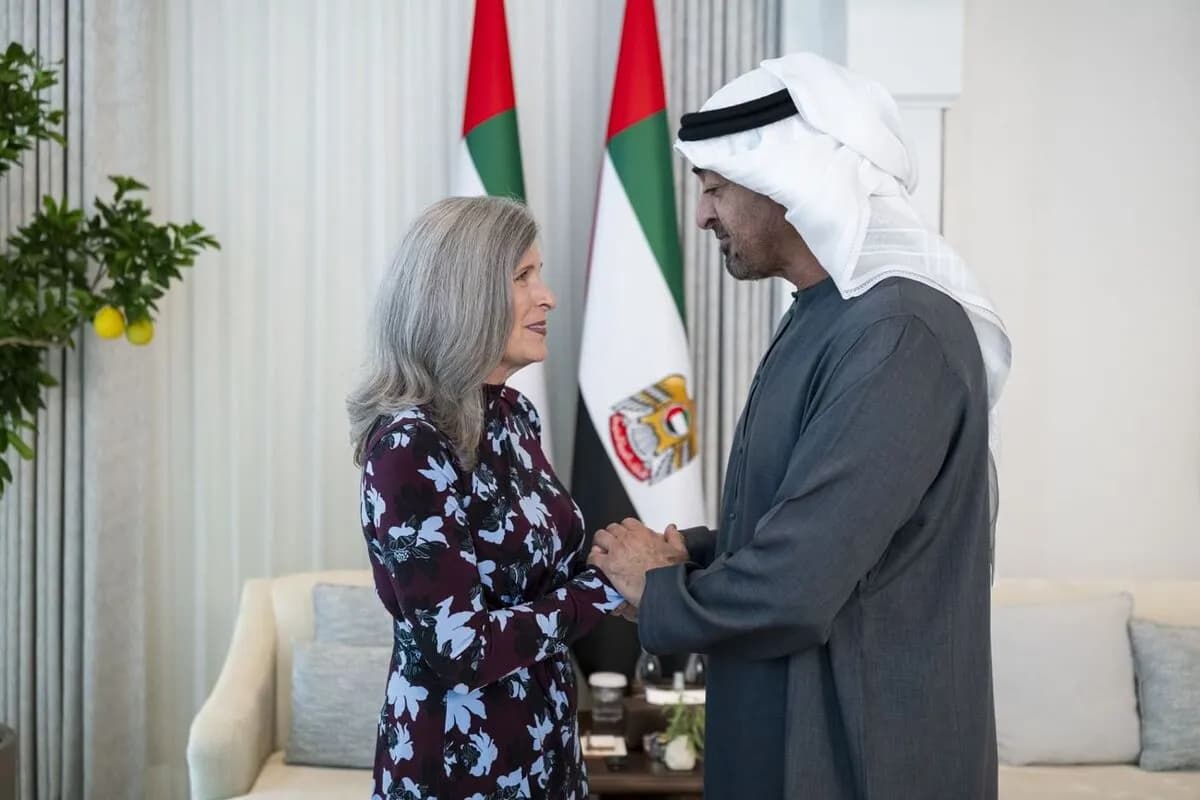
On 2 November 2026, Crown Prince Sheikh Khaled bin Mohamed bin Zayed met OpenAI CEO Sam Altman in Abu Dhabi and witnessed four agreements signed across government, energy and investment. ADNOC becomes the first energy company to deploy OpenAI's Frontier models, Abu Dhabi launches an AI-native Machine-Readable Government initiative led by the Department of Government Enablement, and Mubadala, Inception42 and OpenAI sign on to investment analysis and a five-year adoption push. All processing runs on UAE-based inference under Abu Dhabi law.
The four agreements are not the story. In-country inference is. Every project here runs on GPUs inside the UAE, which is what let a regulated energy major, a food-safety authority and a sovereign fund sign on the same day. Residency has moved from a compliance footnote to the first procurement question, and the teams that treat the rule layer as the product, not the platform, will be the ones that ship.
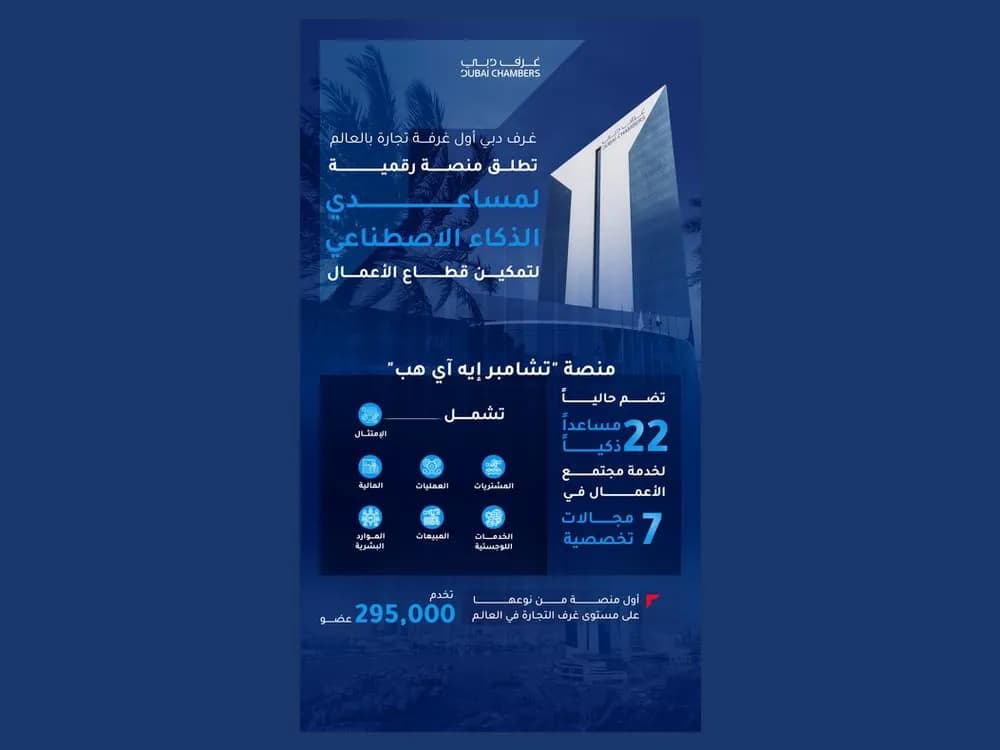
A chamber-led agentic marketplace with sandbox trials, usage pricing and UAE-hosted bilingual agents, plus training tracks aimed at 14,000 companies.
Azrty takeDubai Chambers has turned agentic AI into a subscription for 295,000 companies. Buy the commodity agents, but own the boundary: one gateway in front of every model call, self-hosted models for anything sensitive, and a measured baseline before an agent runs unattended.
Abu Dhabi's TII shipped three Arabic-first models: a 7B dialect-tuned LLM, a 1.6B speech recogniser and a 270M document model, alongside a native Emirati benchmark.
Azrty takeTII's 7B Falcon-Emirati model outperformed 27B and 70B competitors on regional benchmarks by answering in native Emirati dialect 52.1% of the time, compared to 5.3% for its closest rival. Alongside Falcon-ASR and a 270M document OCR model, Abu Dhabi has established that domain-curated compact architectures deliver higher quality and lower inference costs than frontier generalist models for Gulf operations.
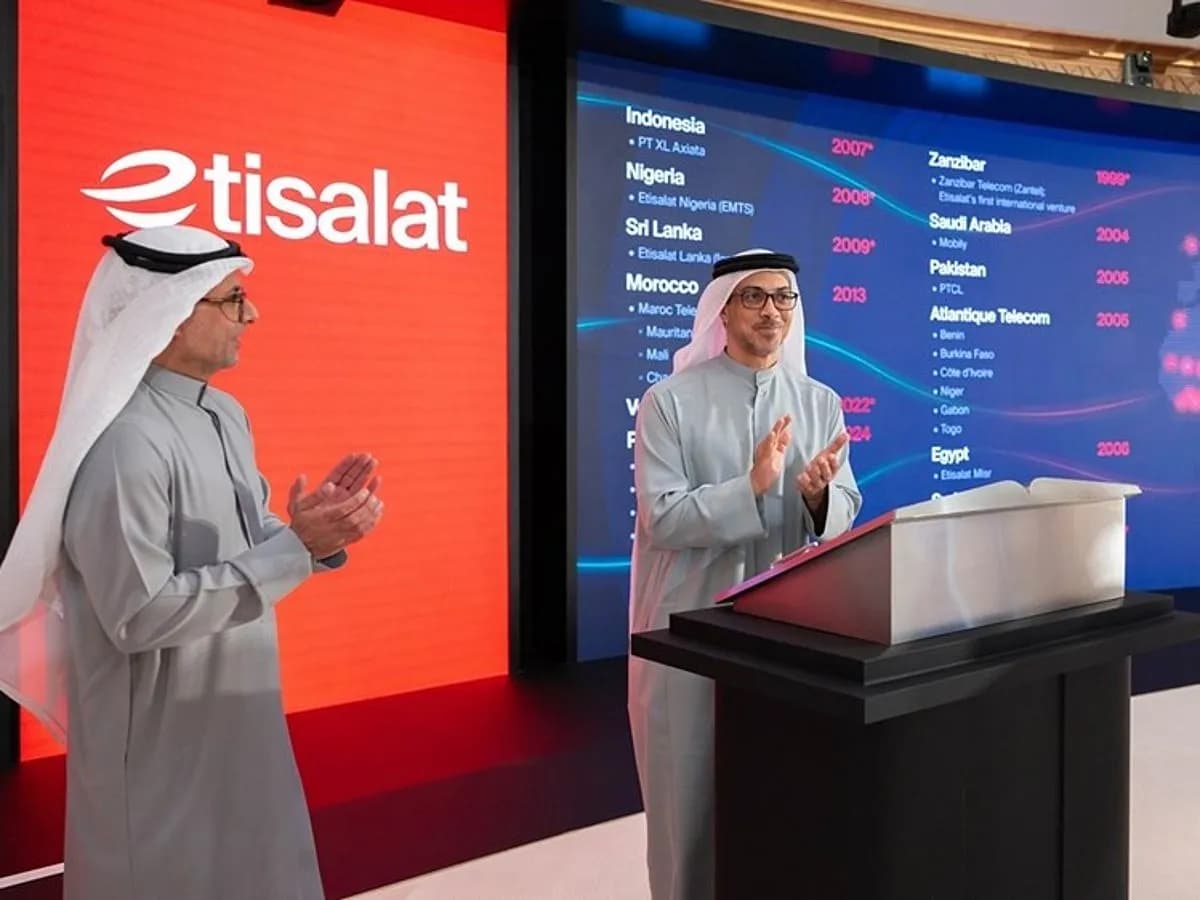
Etisalat plans a 25-fold jump in UAE international bandwidth, from about 20 Tbps today to 500 Tbps by 2030, sized for AI campuses, hyperscalers and cross-border inference traffic.
Azrty takeScaling to 500+ Tbps removes the primary bottleneck facing UAE AI platforms serving Europe, Asia and Africa. Abundant national bandwidth will only protect operations if engineering teams architect dual-carrier egress, health-checked failover and centralised gateway routing now.
MGX may anchor a UAE syndicate of up to $10bn; OpenAI set the price itself and named no lead investor.
Azrty takeUAE sovereign capital moving from AI landlord to frontier AI shareholder expands regional compute, but it does not change enterprise procurement. Equity does not confer token discounts or contractual residency. GCC engineering teams must keep the model layer swappable with a unified gateway and versioned prompts.
Workday's UAE research shows weekly AI use at 90%, but 3.4 hours of weekly rework nearly cancels the 3.6 hours saved. The gap is an engineering problem.
Azrty takeAdoption is no longer the problem; assurance is. The 3.6 against 3.4 split means the average worker nets almost nothing, and the fix is not more training but engineering: one gateway, grounded context, versioned prompts and blocking quality gates between AI output and anything a human signs off.
Three days of Washington talks on AI, cybersecurity, space and quantum follow the UAE's A:5 reclassification. Approved UAE entities now get licence-free access to US AI chips and servers.
Azrty takeThe A:5 designation is entity-specific, not country-wide. Approved UAE entities get licence-free access to advanced computing items; everyone else still faces worldwide licence requirements. AI platforms in the region need entity-aware routing, version pinning and per-request audit from day one.
Adoption reached 72% in the UAE, yet 47% of AI-using firms remain on chatbots and basic tasks, while AWS recovery updates highlight the physical risk of single-zone dependence.
Azrty takeHeadline adoption reached 72% across UAE enterprises, but almost half remain stalled on basic chatbots and task automation. Meanwhile, AWS recovery updates demonstrate that data sovereignty does not replace multi-zone engineering. Winning teams will shift focus to automated workflows and fault-tolerant infrastructure.
UAE CIOs run more production AI agents and catch drift faster than global peers, yet most need days to stop an incident. Runtime enforcement, not observability, is the bottleneck.
Azrty takeUAE enterprises excel at detecting agent misalignment early, but multi-day containment windows leave organisations exposed across platforms. Monitoring dashboards do not halt rogue tool calls or revoke distributed keys; rapid containment requires centralised model gateways, short-lived workload identities and human approval gates for irreversible actions.
Mubadala's $100M Series C investment now brings an Abu Dhabi presence for Together AI and an agreement to explore UAE infrastructure opportunities. No facility, capacity figure or timetable has been named.
Azrty takeMubadala's backing of Together AI signals that open-model infrastructure will reach the Gulf, but no local compute capacity or delivery schedule has been committed. Engineering teams should deploy gateway routing and maintain portable architectures rather than anticipating immediate in-country residency.
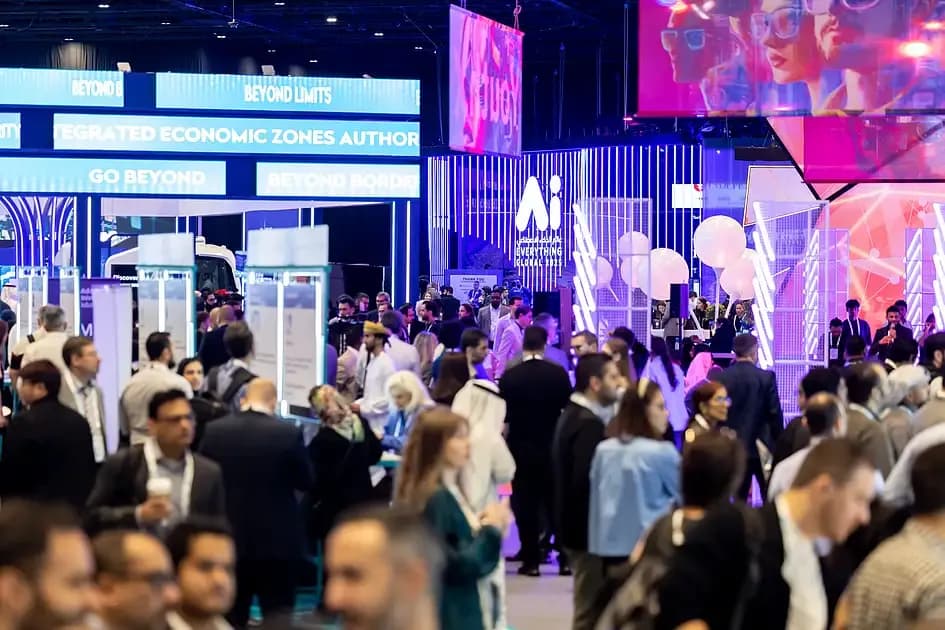
Wesam Lootah says the emirate will run the world's first AI-native government by 2027, backed by a $3.54 billion programme, and DGE will show the blueprint at Ai Everything Abu Dhabi on 6–7 October.
Azrty takeAbu Dhabi's 2027 target is an architectural spec backed by sovereign cloud, unified ERP, and AED 13 billion. GCC enterprises must clean up their data, enforce gateway routing, and put approvals around agents to remain compatible.
A regional framework covering the UAE, Saudi Arabia, Qatar and Kuwait couples cloud and AI infrastructure with digital resilience, continuity planning and local partnerships.
Azrty takeHyperscaler investment makes regional cloud and AI capacity abundant, removing latency and data sovereignty bottlenecks. For mid-sized businesses, the commercial differentiator is no longer access to technology, but operational readiness: consolidated data, sound workflows, and proven disaster recovery.
 Image: Abu Dhabi Media Office